
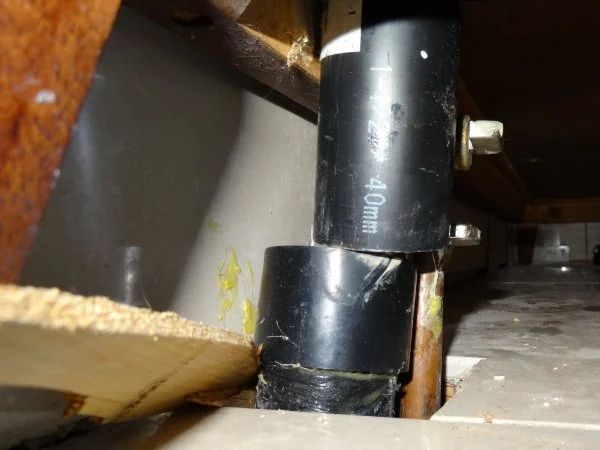
Under a sink and beside a water heater, pipes can look like variations on the same simple arrangement. Their jobs are different. A drain trap helps separate indoor space from the drainage system; relief-valve discharge tubing must handle a possible release from a protective device. Neither detail can be judged only by whether water is dripping nearby.
Start with the purpose of the pipe
Our plumbing observations have included a drain trap identified as the wrong type, relief-valve discharge tubing that was too short, missing discharge tubing and slow drainage at a sink. These concerns should remain separate when planning follow-up. A slow drain does not explain a trap configuration, and a missing tube does not establish failure of the relief valve itself.
For a trap, shape is only part of the assessment. The connected piping, materials, support and venting need context. A licensed plumber should identify the issue and determine the appropriate correction. Choosing an air-admittance valve or replacement trap from a generic illustration skips that assessment.
Keep the relief-valve outlet unobstructed
A water-heater relief valve is a protective component. Its discharge arrangement must handle the potential release as required for the equipment and installation. Missing or inappropriate tubing can create a scalding concern even if there is no active leak during a viewing.
Do not cap the outlet, obstruct it, add an improvised hose or test the valve during a casual visit. The proper material, route and termination depend on applicable requirements and equipment instructions. Ask the plumber to explain the proposed discharge destination and how the arrangement accounts for safe access and surrounding conditions.
A photograph can help locate the concern, but it is not a complete installation specification. Observing missing tubing is also different from testing the valve. Emergency valves may be left unoperated where operation could cause leakage, so establish what was actually checked before drawing conclusions about their performance.
Give a slow drain its own follow-up
A fixture may drain slowly for several reasons. A short check cannot establish the condition of every concealed branch, a condominium’s shared stack or the sewer connection. Ask about the history and have recurring concerns investigated rather than assuming a chemical treatment or quick clearing procedure will correct the underlying arrangement.
Keep the same distinction for a questionable trap: identifying its configuration does not prove that occupants have experienced sewer-gas exposure. The visible finding, possible consequence and confirmed outcome are different pieces of information.
For a purchase, clarify the recommended investigation before treating a repair quotation as an assessment of all related piping. After work, retain a description of the defect addressed, the correction and the verification performed. Record any inaccessible areas or testing limits as well. Concealed piping and intermittent leakage can remain uncertain, and a useful service record should say which questions the work answered and which still need attention.